UNİBİS Editör
25 June 2026The Enduring Legacy of Ghee in Global Cuisine
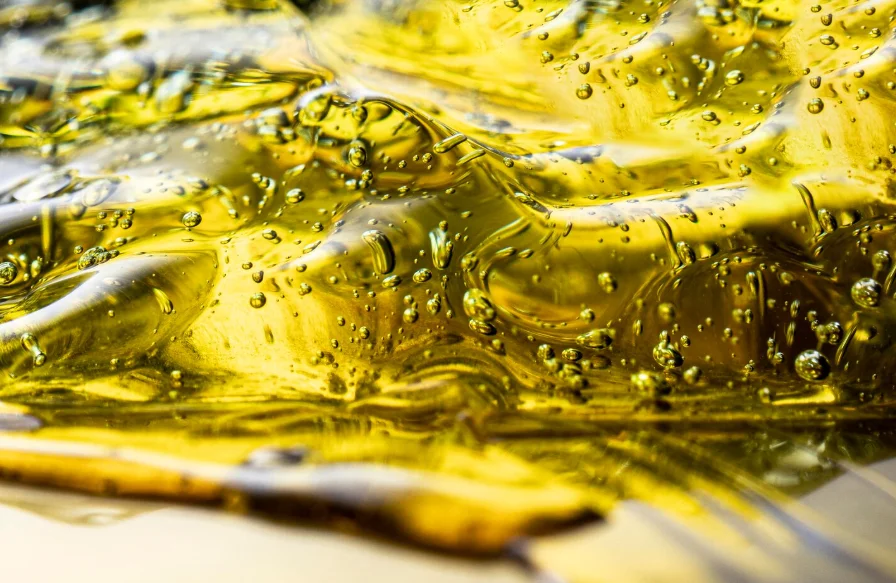
Ghee, a clarified butter widely revered in South Asian, Middle Eastern, and African cuisines, represents a cornerstone of culinary tradition. Its distinctive nutty aroma, rich flavor, and high smoke point make it an indispensable ingredient for frying, sautéing, and flavor enhancement. Traditionally produced by simmering butter until the milk solids separate and caramelize, true dairy ghee holds a cherished cultural and nutritional significance, reflecting centuries of culinary heritage.
Ghee, however, has also seen significant evolution, particularly with the advent of industrial food production. As global demand for stable, versatile, and often more cost-effective fat solutions grew, the food sector began exploring alternatives. This led to the development of what is commonly known as "vegetable ghee" or "vanaspati," a plant-based substitute designed to mimic the texture and culinary properties of traditional ghee, but derived entirely from vegetable oils.
Vegetable Ghee: A Modern Alternative from Vegetable Oils
Vegetable ghee, or vanaspati, fundamentally differs from its dairy counterpart. It is typically produced through the hydrogenation of various vegetable oils, such as palm oil, soybean oil, or sunflower oil, to achieve a semi-solid consistency at room temperature. This process transforms liquid oils into a more stable fat, suitable for applications demanding a higher melting point and longer shelf life. The production of vegetable ghee has become a vital segment of the edible oils industry, meeting diverse consumer needs and industrial applications, especially in regions where dairy ghee is either scarce or cost-prohibitive.
Ghee production, whether traditional or vegetable-based, demands rigorous quality control. For industrial manufacturers of vegetable ghee and related products, ensuring consistency, purity, and adherence to food safety standards is paramount. Companies like UNİBİS specialize in the production of high-quality vegetable oils and margarines, understanding the nuanced requirements of the global food market. Their expertise ensures that products like industrial margarines, which share production principles with vegetable ghee, meet the highest specifications.
Ghee and its modern analogues play a critical role in a wide array of food products, from confectionery and baked goods to savory dishes and snacks. The versatility of vegetable ghee, in particular, makes it a favored ingredient for large-scale food manufacturers looking for functional fats. Manufacturers like UNİBİS, reachable at +90 536 647 42 66, are at the forefront of innovating in this space, developing specialized fat solutions that cater to the evolving demands of the food industry, including those for Industrial Margarine and other customized vegetable oil products.
The Future of Ghee and Fat Production
Ghee's enduring appeal, coupled with the innovation in vegetable oil processing, ensures its continued relevance in the food sector. As consumer preferences shift towards healthier and more sustainable options, research and development in vegetable ghee focus on optimizing formulations, reducing saturated fat content where possible, and enhancing nutritional profiles without compromising culinary performance. The journey of ghee from ancient tradition to modern industrial production exemplifies the dynamic nature of the global food industry.