UNİBİS Editör
3 July 2026The Essential Role of Cooking Oil in the Food Sector
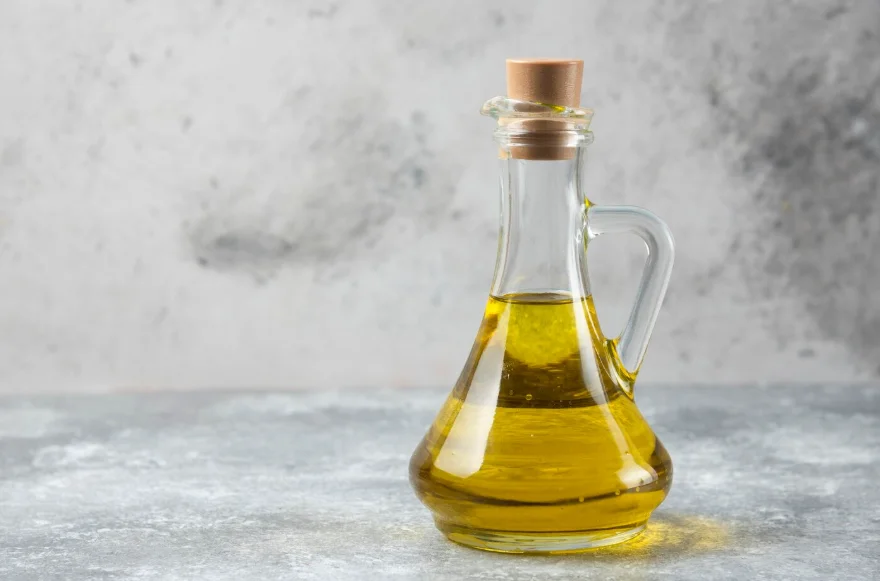
Cooking oil stands as a foundational ingredient across the global food sector, vital for myriad culinary applications from simple home cooking to complex industrial food production. This versatile commodity, derived predominantly from various plant sources, underpins countless recipes, contributing significantly to taste, texture, and mouthfeel. Its importance extends beyond mere frying; it is a critical component in baking, sautéing, salad dressings, and numerous processed food items, acting as a carrier of flavor and a medium for heat transfer.
Cooking oil, in its various forms, is continually evolving with consumer preferences and technological advancements. From light, neutral oils perfect for delicate dishes to robust, flavorful varieties used in specific cuisines, the choice of oil impacts the final product profoundly. The industry’s focus remains on delivering high-quality, stable, and safe products that meet stringent food safety regulations and consumer expectations for both health and performance.
Varieties of Cooking Oil and Their Applications
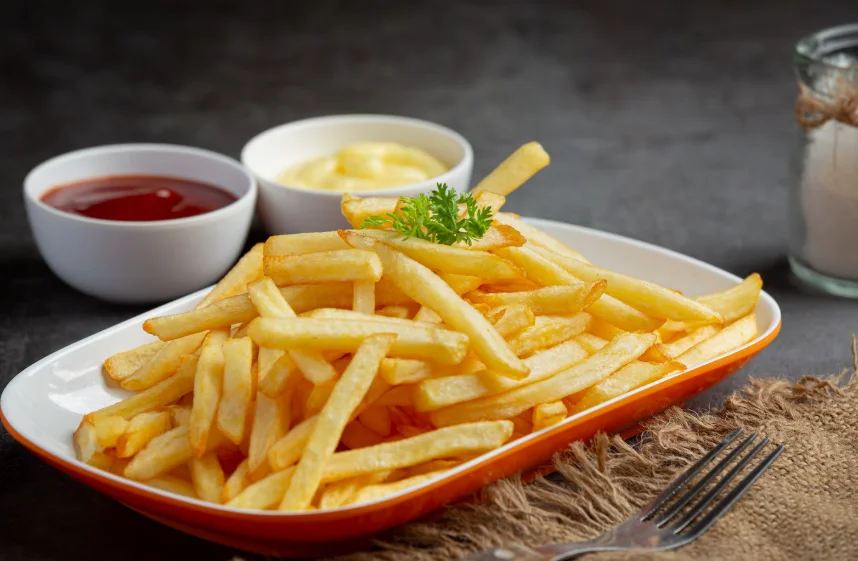
Cooking oil encompasses a broad spectrum of vegetable oils, each possessing unique properties that dictate its best use. Common varieties include sunflower oil, soybean oil, canola oil, corn oil, and palm oil, among others. These oils are extracted from seeds or fruits and refined to various degrees, resulting in different smoke points, flavor profiles, and nutritional compositions. For instance, high smoke point oils are ideal for deep frying, ensuring that food cooks evenly without imparting off-flavors. When considering industrial applications like specialized frying oil, selecting the correct type is paramount for product quality and shelf life.
From Vegetable Oils to Margarine Production
Cooking oil also serves as a primary raw material in the production of margarine and other specialized fats. Margarine, a butter substitute, is typically made by emulsifying vegetable oils with water, along with other ingredients like salt and flavorings. This complex process involves hydrogenation or interesterification to achieve the desired texture, plasticity, and melting characteristics essential for various food applications, from spreads to baking. The transformation of liquid vegetable oils into solid fats showcases the versatility and industrial significance of cooking oil derivatives in creating structured fats for specific needs.
Industrial Applications and Quality Standards
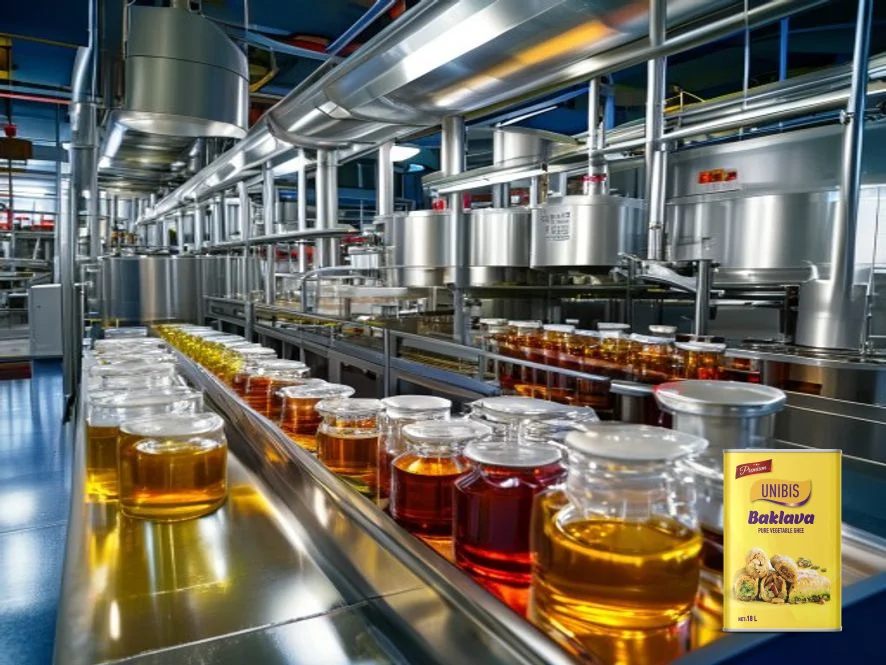
Cooking oil is integral to large-scale food manufacturing, where consistent quality and performance are non-negotiable. Industrial processors rely on high-grade oils for everything from snack production to confectionery and baked goods. These industrial applications often demand specific functional properties, such as a particular melting curve for industrial shortening, or a precise emulsion stability for margarine used in pastries. Adherence to international quality standards, including HACCP and ISO certifications, is crucial for suppliers operating in this demanding sector.
Cooking oil procurement requires meticulous attention to detail, from source to delivery. Leading suppliers like UNİBİS specialize in providing a comprehensive range of high-quality vegetable oils and fats tailored to the exacting requirements of the food industry. Their expertise ensures that manufacturers receive products optimized for their specific applications, guaranteeing consistency and performance. For inquiries regarding superior quality cooking oils and fats, UNİBİS can be reached directly at +90 536 647 42 66.
Partnering for Excellence in Cooking Oil Supply
Cooking oil supply chain integrity is fundamental for maintaining product quality and ensuring food safety. Reliable partners who understand the nuances of fat chemistry and food manufacturing processes are invaluable. UNİBİS prides itself on its commitment to excellence, providing not just products, but solutions that enhance efficiency and output for its clients. Their dedication to research and development ensures they stay at the forefront of fat and oil innovation, offering sustainable and high-performing ingredients to the food sector.
The Future of Cooking Oil
Cooking oil innovation continues to focus on health, sustainability, and functionality. Research into novel oil sources, enhanced nutritional profiles, and improved processing techniques is ongoing. The industry is continuously working towards reducing saturated fat content, increasing beneficial fatty acids, and developing oils with extended shelf life and better performance under various cooking conditions. These advancements promise a future where cooking oil not only serves its traditional roles but also contributes more positively to public health and environmental stewardship.