UNİBİS Editör
23.09.2026In the dynamic and highly competitive world of industrial baking, the pursuit of perfection in every product is paramount. From the delicate layers of a croissant to the crispness of a biscuit, the foundational quality of ingredients dictates the final outcome. Among these, bakery margarine stands as a cornerstone, a versatile fat that significantly influences texture, flavor, and overall culinary performance. At UNİBİS, Turkey's leading manufacturer of vegetable oil, ghee, and industrial margarine, we understand this critical relationship. We are dedicated to providing industrial bakeries with high-performance bakery margarines engineered to meet the most stringent culinary demands, ensuring exceptional texture, masterful layering, and consistent quality across all applications. Our commitment to innovation, stringent quality control, and deep industry expertise positions UNİBİS as the trusted partner for food manufacturers globally, delivering products that elevate the standard of industrial baking.
The Critical Role of Proper Fat & Margarine Selection in Food Manufacturing
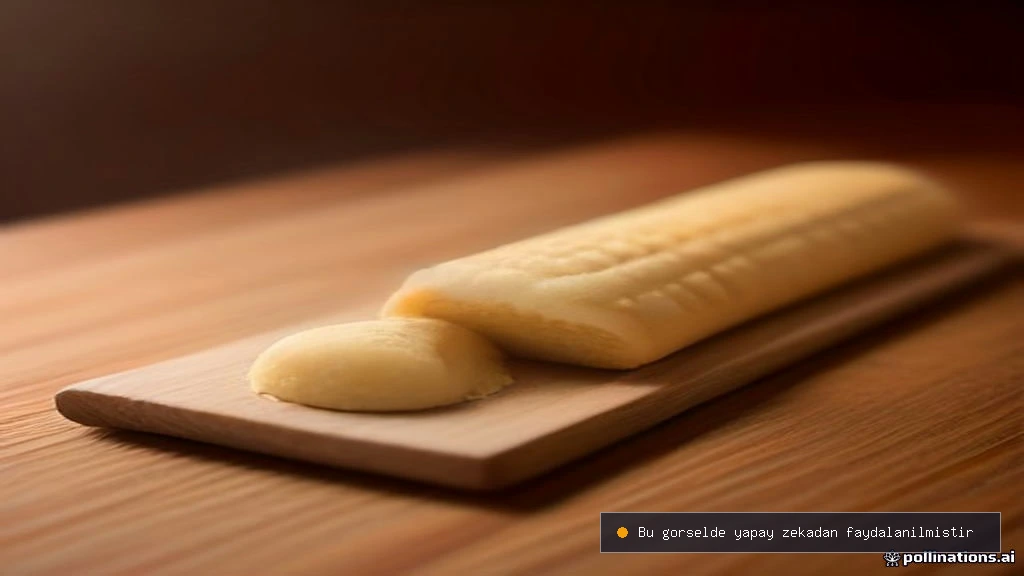
The choice of fat is not merely an ingredient decision; it is a strategic one that profoundly impacts the sensory attributes and structural integrity of baked goods. Bakery margarine, specifically formulated for industrial use, offers a unique blend of properties that are indispensable for achieving desired product characteristics at scale. Its precise composition, including melting profile, plasticity, and emulsifying capabilities, directly influences the success of a wide array of bakery applications. Selecting the right margarine is crucial for:
- Optimized Dough Rise and Volume: The fat network within dough plays a vital role in trapping gases produced during fermentation. A well-formulated bakery margarine contributes to a stronger, more elastic dough structure, allowing for superior gas retention and resulting in increased product volume and a desirable open crumb.
- Exceptional Flakiness and Crispness: For laminated products such as puff pastry and croissants, the plasticity and melting point of the margarine are critical. When properly incorporated, it creates distinct layers within the dough that separate during baking, yielding the characteristic flakiness and crisp texture that consumers expect and cherish.
- Superior Crumb Structure and Tenderness: In cakes, muffins, and breads, margarine contributes significantly to the crumb structure. Its ability to shortens gluten strands leads to a tender, softer crumb, while its emulsifying properties help distribute moisture evenly, preventing dryness and enhancing mouthfeel.
- Enhanced Emulsification and Stability: Bakery margarines are often formulated with specific emulsifiers that aid in binding water and oil components within batters and doughs. This stable emulsion prevents separation, ensures consistent texture, and improves the overall stability of the product, especially important in high-volume production.
- Desirable Lightness and Mouthfeel: By incorporating air during creaming and contributing to the expansion of dough, margarine helps create products that are light and airy. Its specific fat profile also melts cleanly in the mouth, leaving a pleasant, non-greasy sensation that enhances the overall eating experience.
Application Guidelines for Different Bakery & Food Categories
UNİBİS bakery margarines are meticulously developed to offer tailored solutions for a diverse range of industrial bakery and food applications, ensuring optimal performance and consistent results for every product line.
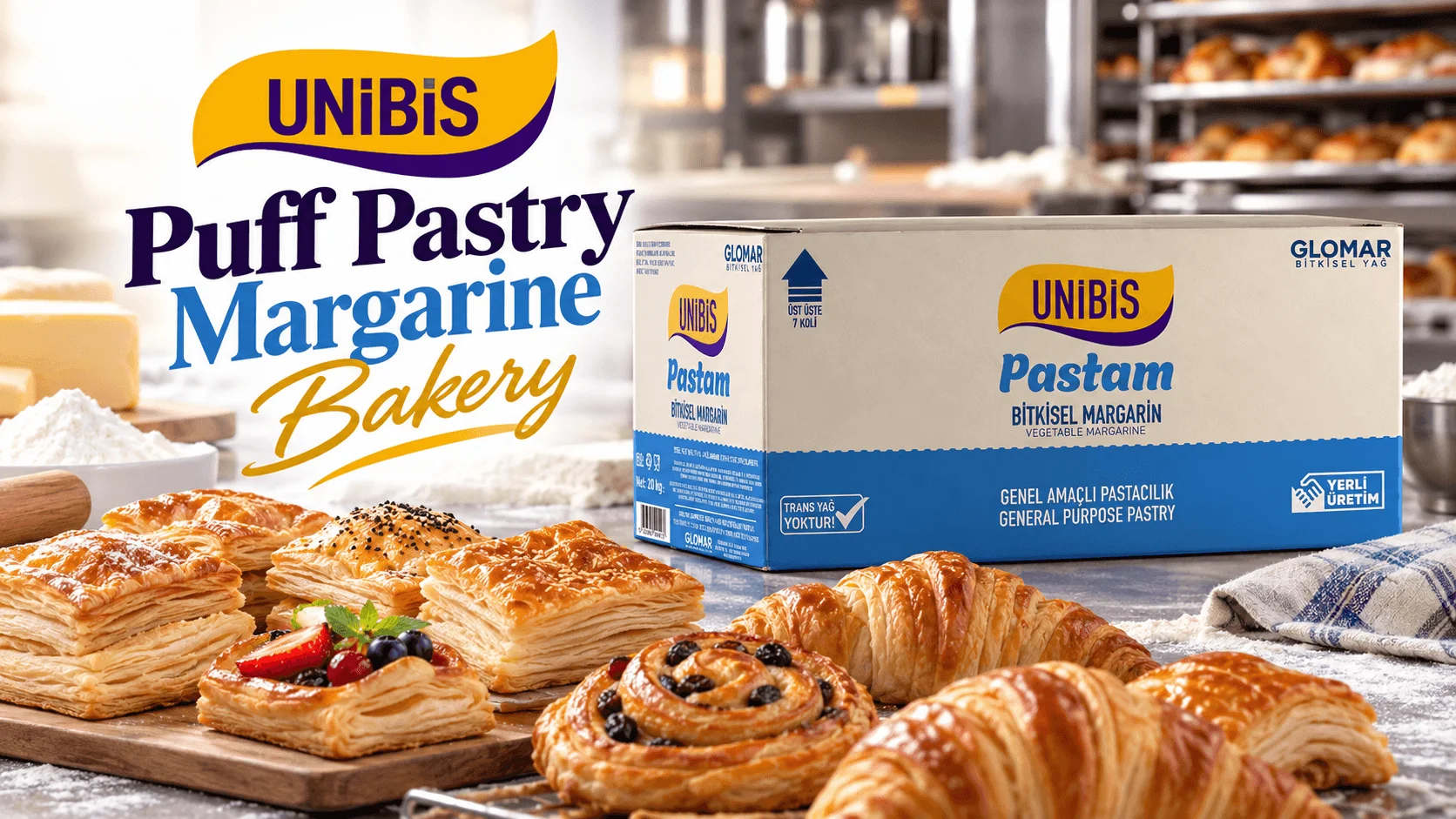
Croissants & Puff Pastry
For laminated doughs, the margarine's plasticity and melting point are paramount. Our specialized margarines for croissants and puff pastry exhibit excellent workability, allowing for effortless folding and sheeting without tearing the dough. They maintain their integrity throughout the lamination process, creating distinct, even layers that expand beautifully in the oven, delivering the signature airy texture and crisp flakiness essential for these delicate products.
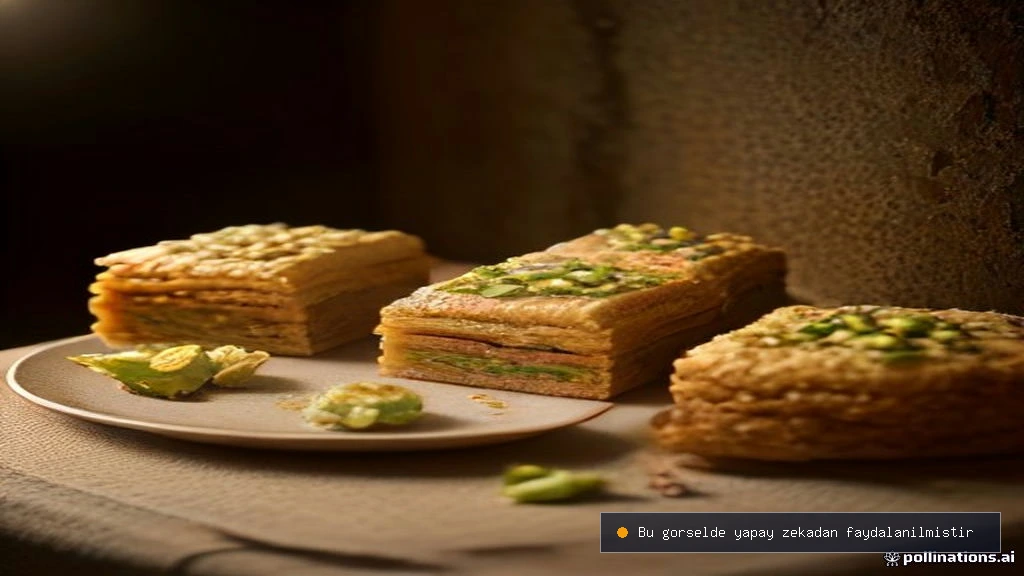
Baklava & Layered Doughs
Traditional layered pastries like baklava demand a margarine that imparts richness and contributes to a moist, yet crisp, texture. UNİBİS offers formulations that provide the perfect balance, ensuring that each delicate layer is distinct and well-defined, absorbing syrups beautifully without becoming soggy, and contributing to the authentic taste and mouthfeel of these cherished desserts.
Cookies & Biscuits
In cookies and biscuits, margarine plays a crucial role in determining spread, texture, and bite. Our margarines can be formulated to achieve various results, from soft, chewy cookies to crisp, snappy biscuits. They contribute to a consistent dough texture, excellent creaming properties for aeration, and a pleasant, clean melt-away in the mouth, enhancing the overall sensory experience.
Cakes & Muffins
For cakes and muffins, the emulsifying properties of margarine are vital. Our products ensure a stable emulsion, binding ingredients together to create a smooth, homogenous batter. This leads to a fine, even crumb structure, superior moisture retention, and extended freshness, resulting in consistently moist, tender, and flavourful cakes and muffins with excellent volume.
Frying Applications (Doughnuts, etc.)
Beyond traditional baking, UNİBİS offers margarines suitable for deep-frying applications such as doughnuts. These margarines are formulated for high heat stability, minimizing oil absorption in the finished product and ensuring a clean, neutral flavor profile. They contribute to a golden-brown crust and a tender interior, without imparting any undesirable greasy residue.
Culinary Applications (Sauces, Spreads, Fillings)
The versatility of UNİBİS margarines extends to various culinary applications. They can be utilized in the preparation of creamy sauces, rich fillings, and savory spreads. Their excellent emulsifying capabilities, neutral flavor, and consistent texture make them an ideal base for enhancing the mouthfeel and stability of a wide range of prepared food items, offering food manufacturers a flexible and reliable ingredient.
Master Baker & Chef Production Tips
Achieving consistent, high-quality results with bakery margarine requires attention to detail and adherence to best practices. Professional bakers and chefs in industrial settings can optimize performance by following these expert tips:
- Precise Dough Temperature Control: Maintaining the correct dough temperature throughout the mixing and lamination process is paramount. Too warm, and the margarine can melt prematurely, leading to a greasy dough and poor layering. Too cold, and the margarine can become brittle, tearing the dough. Aim for temperatures that keep the margarine pliable but firm, typically between 15-20°C (59-68°F), depending on the specific application and margarine type.
- Optimal Fat Incorporation Techniques: The method of incorporating margarine varies by product. For laminated doughs, ensure the margarine is evenly distributed and folded in without excessive pressure, allowing for distinct layers. For creaming methods (e.g., cakes, cookies), cream the margarine with sugar until light and fluffy to incorporate air, which contributes to volume and tenderness. For rubbing-in methods, ensure the fat is evenly distributed throughout the flour mixture to create a crumbly texture.
- Adequate Resting Periods: Resting periods are crucial for allowing the gluten in the dough to relax and for the margarine to firm up between folds during lamination. Skipping or shortening these periods can lead to tough dough, uneven layers, and a less desirable final texture. Proper resting ensures elasticity and prevents the margarine from extruding.
- Controlled Melting for Optimal Performance: When margarine needs to be melted for certain applications (e.g., brushing baklava layers or incorporating into liquid batters), do so gently and gradually. Overheating can cause the fat to separate and lose its functional properties. Melt just until liquid, avoiding boiling or excessive heat, to maintain its emulsifying capabilities and flavor integrity.
Food Safety, Halal Certification & ISO Quality Standards
At UNİBİS, our unwavering commitment to food safety and quality is at the core of our operations. We understand that in the food industry, trust is built on reliability and adherence to the highest international standards. Our production facilities are state-of-the-art, designed and operated under the strictest hygienic conditions to prevent contamination and ensure product purity.
We implement rigorous Quality Assurance and Quality Control (QA/QC) protocols at every stage of the manufacturing process, from the sourcing of raw materials to the final packaging of our bakery margarines. Each batch undergoes comprehensive testing to verify its physical, chemical, and microbiological properties, guaranteeing that it meets both our internal specifications and global regulatory requirements.
Traceability is a fundamental aspect of our quality system. We maintain meticulous records that allow for complete transparency and tracking of every ingredient and process step, providing our partners with full confidence in the origin and integrity of our products. Furthermore, UNİBİS is proud to hold internationally recognized certifications, including Halal Certification, ensuring our products comply with Islamic dietary laws, and various ISO Quality Standards (such as ISO 9001 for quality management and ISO 22000 for food safety management systems). These certifications underscore our dedication to delivering safe, high-quality, and ethically produced ingredients to the global market.
Optimal Storage & Shelf-Life Best Practices
Proper storage is essential to maintain the quality, performance, and extended shelf-life of bakery margarine. Adhering to these best practices will help industrial bakeries and food manufacturers preserve the integrity of UNİBİS products:
- Protection from Direct Sunlight: Exposure to direct sunlight and strong artificial light can accelerate oxidation, leading to rancidity and off-flavors. Always store margarine in its original, opaque packaging in a dark environment or away from direct light sources.
- Ideal Ambient Temperature: Bakery margarine should be stored in a cool, dry place. The ideal ambient temperature typically ranges between 15°C and 25°C (59°F and 77°F). Extreme heat can cause the fat to soften, separate, or become rancid more quickly, while excessively cold temperatures can make it too hard and difficult to work with immediately. Avoid significant temperature fluctuations, which can lead to condensation and microbial growth.
- Odor-Free Environment: Fats are highly susceptible to absorbing strong odors from their surroundings. Store margarine away from strong-smelling substances such as spices, cleaning chemicals, or other aromatic ingredients. An odor-free storage environment ensures that the margarine retains its neutral flavor profile, which is crucial for not imparting unwanted tastes to finished baked goods.
- Maintain Original Packaging: Always keep the margarine in its original, sealed packaging until ready for use. The packaging is designed to protect the product from light, air, and moisture. Once opened, reseal tightly to minimize exposure to air, which can lead to oxidation. For large bulk containers, ensure lids are securely fastened after each use.
Frequently Asked Questions (FAQs)
Q1: What specific characteristics make UNİBİS bakery margarine ideal for industrial lamination processes?
A1: UNİBİS bakery margarines designed for lamination possess a unique combination of characteristics, including excellent plasticity, a wide working temperature range, and a precise melting profile. Our margarines are formulated to be pliable enough to sheet evenly without tearing the dough, yet firm enough to maintain distinct layers. Their controlled melting point ensures they remain stable during the lamination process and melt beautifully during baking, creating the desired airy, flaky texture without a greasy mouthfeel.
Q2: Are UNİBİS bakery margarines suitable for vegan and vegetarian product lines?
A2: Yes, absolutely. UNİBİS bakery margarines are exclusively plant-based, made from high-quality vegetable oils. This makes them inherently suitable for both vegetarian and vegan product formulations. We understand the growing demand for plant-based options and ensure our products meet the dietary requirements for these categories, often backed by relevant certifications.
Q3: How does UNİBİS ensure consistent quality and performance across large wholesale orders for international clients?
A3: Consistency is a hallmark of UNİBİS. We achieve this through several key measures: stringent raw material selection and vetting, state-of-the-art automated production facilities that minimize human error, continuous in-process monitoring, and comprehensive final product QA